

He/Him
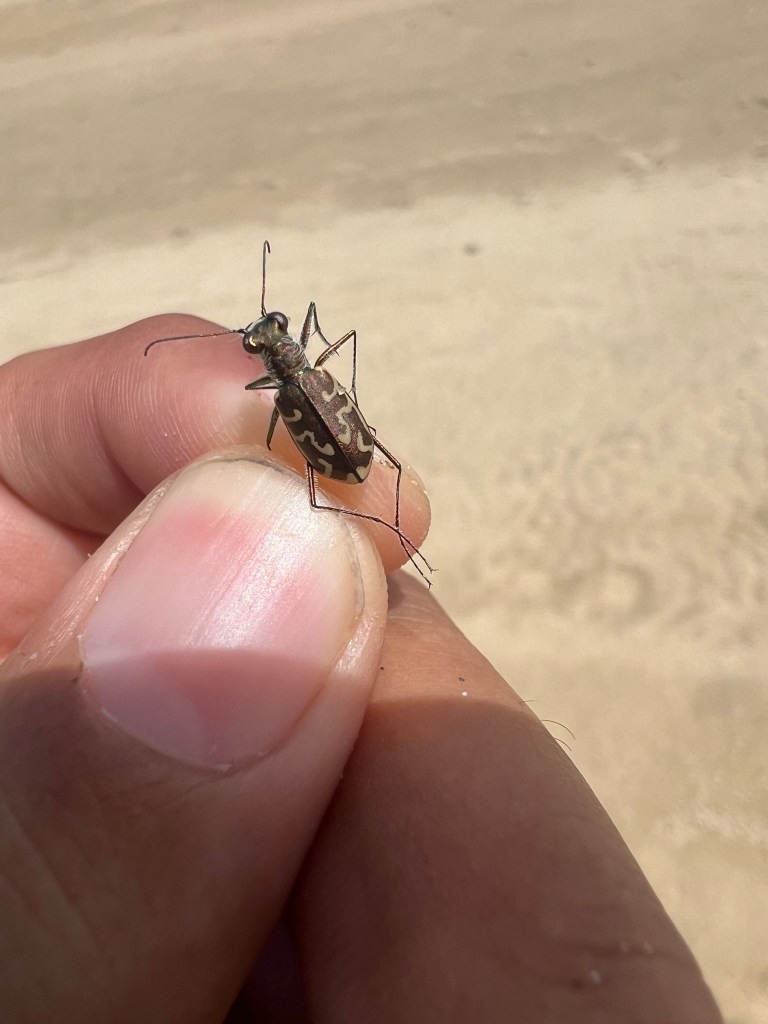
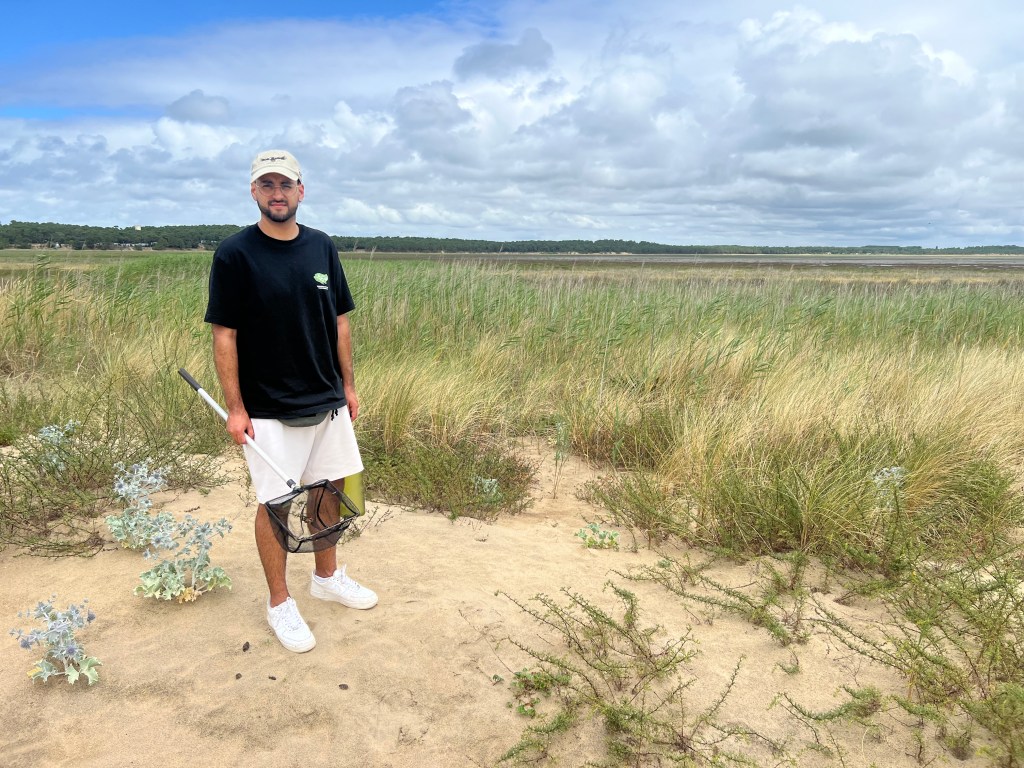
I started my journey into entomology during my Bachelor of Science at the University of Potsdam in Germany. I wanted to do something special, something that not everyone else was doing (such as biochemistry or molecular biology). So I started looking for a thesis project in entomology and got the opportunity to survey the revitalization of a larger river in Brandenburg (the Havel). I used ground beetles (Carabidae) as bioindicators to assess the success of the revitalization, as their presence or absence and the composition of their communities can provide valuable insights into the condition of an ecosystem.
The revitalization was a great success, and I established my first entomological collection, containing many rare ground beetle species. This marked the beginning of my entomological “career”, both as a hobby and as a profession. Since then, I have collected, sampled and studied mainly ground beetles (around 80–90% of my entomological work). I particularly enjoy collecting, sampling and identifying ground beetle taxa, including the dissection and examination of male and female genitalia.
I am also a member of several entomological associations and societies, where we conduct local and regional surveys, carry out small-scale faunistic studies and collect specimens for natural history museums.
After completing my Master’s degree, during which I analyzed the drivers of beetle communities in European grasslands as part of the “Bug-Network”, a worldwide research program, I started working for an environmental consultancy. There, we conduct faunistic surveys and assessments for various construction projects and provide advice on how developers can avoid violating environmental legislation.
I also started a small business of my own, offering ground beetle monitoring for various projects, such as landscape restoration projects and surveys targeting specific endangered species.
Today, I can confidently call myself a specialist in German ground beetles — and I honestly wouldn’t want to do anything else.
 What is an Entomologist?